

Mane and Tail Comb
Quality services
Our team is committed to delivering high-quality services to our clients. We use the latest technologies and tools to ensure that our services exceed your expectations.
Quality
We offer high quality services and products that are relatable and resonate with your business needs.
Experience and expertise
Our company has been in business for many years and has amassed significant expertise and experience to provide quality services to our clients.
Competitive pricing
We offer competitive pricing for our services without compromising on quality.
Certifications and quality standards
Choose a factory that adheres to industry standards and certifications to ensure product safety and quality.


What is Mane Comb
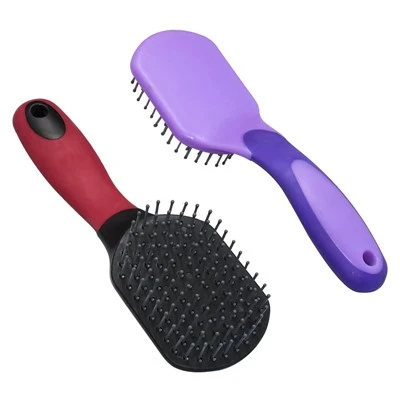
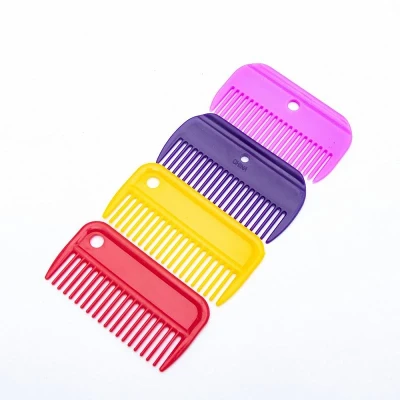
The mane comb is used to comb out the tangles and remove debris from the mane and tail of horses. It can be very simple and utilitarian in looks, similar to a common hair comb, or more ornate and decorative, such as this example that is stored on a leather backing.
Benefits of Mane Comb
Can be used before brushing to gently loosen knots in the mane or tail. It's also a good choice for horses with short or pulled manes
01
The teeth are made with a special flexible material that bends to carefully remove tangles as you work through the hair
02
Less snagging and hair breakage, and a better experience for you and your horse
03
This useful tool has a comfortable handle and fits easily in your pocket for convenience
04
Features a rubber control-touch handle for added comfort and better grip
05
Good Grooming Practices for Manes and Tails
● Limit combing: Only comb your horse's mane and tail after applying detangler. Comb in small sections from the bottom to the top. Try taking the tail and combing it against your thigh for more control and less breakage.
● Don't bathe too frequently: Bathing too often can dry the hair and make it more prone to damage.
● Use a moisturizing shampoo and follow it with a post-bath leave-in conditioner, like the fresh-smelling leave-In conditioner.
● Don't comb wet hair: Wet hair stretches and is easily damaged.
● Finger groom tails in between washes: Your fingers are gentler than a comb.
● Apply a detangler and conditioner 1-3 times per week.
● Use a wide-tooth comb.
● Bang tails: I run my hand down the tail length to approximately one inch below the chestnut and then cut straight across the bottom. For some people, this needs to be longer. Tail length is a personal choice. At this length, banged tails give an overall impression of being‘more full' and easier to take care of.
Shortening VS. Pulling
I use the term “pulling” as a blanket term. Sometimes we actually pull the hair out. Other times it just needs to be shortened. If the mane or part of it is too thick, then pulling from the roots is best. If the mane or part of it needs to be shortened, then there is still a trick to it.
You don't want the mane blunt or falling in unnatural-looking clumps. So, scissors do not suit our purposes. To shorten, I use a large clipper blade (Oster 84 AU) to comb, tease and cut the mane. This tool, even if it needs to be sharpened, works far better than any other. The bottom of the mane needs to be tapered to fall, band or braid well. I taper the last couple inches of the mane so it falls to create a clean bottom line.
To shorten, grab a few pieces across a broad area, tease above the desired bottom of the mane and push the large clipper blade toward the floor to cut the mane. It is very straight-forward.
Keep it simple
The most efficient pulling technique is to hold your hand parallel to the crest to grab a few hairs along the bottom of the mane. Tease the people comb right up to the crest. Grab the hair by pressing your thumb against the comb's spine. Keep your thumb against the spine as you pull the comb and hair as one unit. In this way, your thumb uses the comb to leverage the hair to pull from the roots.
Decondition
If your horse shakes his neck when you comb the mane, the problem is in his head. He is resisting his idea of what you might do. So, comb his mane all the time to build confidence. Once he does not anticipate trouble, periodically pull out one or two hairs as you are grooming. No big deal: just do it once and move on. This will also help desensitize him.
Not too much
The solution may be as simple as pulling less hair. I pull about 15 pieces across a broad area at a time. If you are wrapping the hair around the comb to pull, you are teaching the horse to hate it.
Spread it out
I use a people comb as pulling ones are only problematic. They are hard to hold, cut my fingers and sound terrible when they drop. Plus, a thicker spine to the comb helps you leverage the hair so it takes less effort and does not break the hair.
I do not recommend starting at one end. Pull from here and there to both reduce the horse's anticipation and keep from making a mess. If you get half way done and the horse has had enough, you want to stop. In such a case, if you pull in an irregular pattern, you would not stop with the mane looking worse than when you started.
Schedule
Sometimes the answer is to pull the mane after the horse works. Then, the crest's pores are open and the animal's resistance is low. Pulling when the horse is tired is often enough to keep the horse relaxed. If you pull too much at once, you are only teaching your horse it pulling is a problem, which it need not be. Plus, if half the hair is short, neither the loose mane nor braids will sit well on the neck. The short hair will be pushing the rest out of place. If your horse has a thick section of the crest or mane, you want to pull it a little bit all the time so it is not all growing in at once.
Pulling should happen at home. The horse show poses enough stresses. If you know how to pull well, prepare the mane at home so the horse has less to deal with at the show. If you can't do a good job and you have a great braider, it may be better to leave pulling to a professional. However, do your horse the favor of telling the braider ahead of time so he or she may be able to pull the mane long before the horse needs to be braided.
Decrease anticipation
If your horse lifts his head as you reach up, the horse is head-shy. He is afraid of what you might do. Out of sight, out of mind. A simple blindfold can be just the answer. Find a towel larger than a hand towel. Wrap it around the halter so it is taut and covers the eye on the side of the mane. I suggest a longer towel so you can wrap it around the halter well. You don't want the horse to shake it loose and have it hit him in the face. That would not be constructive. Our objective is to establish confidence. Secure the towel well.
Position for success
The first thing a horse usually does to resist is run backwards. If the horse is on the crossties, the best case scenario is that he'll break the ties (instead of his neck) and slip on the floor. Then, he learns pulling is a problem.
A better option is to back the horse into the corner of a stall. That way, if he questions what you are doing, it does not snowball. You can avoid problems by simply backing the horse into a corner. Sometimes this positioning is enough to make the horse feel comfortable with the process.
Please, please be sure that if you work in a stall, that you always have the out. You should always be closest to the door. Leave the door closed (not latched) or open. If you leave it ajar, the horse may think to go through it without realizing it can't fit. Then, he'll hurt himself and always charge through doors. That will be very dangerous. So, always have a safe out.
The other reason you never want to go to the back of a horse's stall is that you can get pinned. Crazy things happen. If a horse scoots and pins you against the wall, you can get crushed in seconds. A horse's natural instinct is to move into pressure. If he panics and spins, you won't be able to get him off you. It is a terrible way to go and TOTALLY AVOIDABLE: never go into the back of a horse's stall. Always have a direct route out.
Forget your riding principles
If you are riding and your horse resists, you bend, bend and he gives. If you are pulling and the horse resists, you stop. His resistance is fear-based. By stopping and coming back to it anther time, you are teaching the horse it need not be a problem. By pulling a little bit once in a while, you are desensitizing the horse and building his confidence for pulling.
Pulling is largely a handling issue. Make it easy for your horse to have a good experience with careful positioning, timing and technique.
A Guide to Proper Mane Care for Horses

The significance of mane care
A horse's mane is not just a decorative feature; it serves several vital functions for the horse's comfort and well-being. Understanding the significance of mane care is the first step toward appreciating its importance in horse management:
Protection from the Elements: A well-kept mane acts as a natural barrier against the elements. It can help shield the horse's neck and upper body from rain, wind, and sunlight, reducing the risk of skin issues and discomfort.
Improved Comfort: Maintaining a tangle-free and clean mane reduces the chances of discomfort or irritation for the horse. Knots, mats, or debris in the mane can cause itching and lead to skin problems if left unattended.
Aesthetic Appeal: A well-groomed mane enhances a horse's appearance, whether in the show ring or simply for everyday enjoyment. It reflects the horse's overall health and the quality of care it receives.
Mane Health: Proper mane care promotes a healthy scalp and hair follicles, preventing issues like dandruff or fungal infections. Regular grooming allows for early detection of skin abnormalities.

Tools for mane care
Before delving into the step-by-step process of mane care, it's essential to gather the necessary tools and supplies. Having the right equipment will make the task more manageable and efficient. Here's a list of tools commonly used for mane care:
Mane Comb or Brush: Choose a comb or brush specifically designed for horse manes. These tools should have wide, smooth teeth to prevent hair breakage.
Detangler Spray: A detangler spray helps soften the mane and reduce tangles, making it easier to comb or brush.
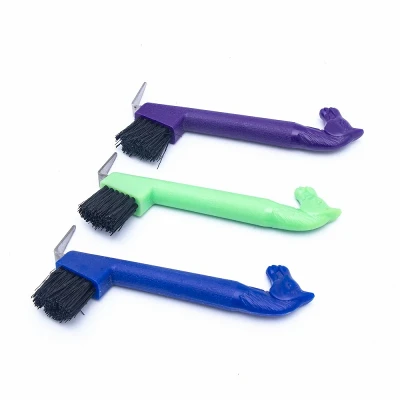
Hoof Pick: A hoof pick with a brush on one end can be handy for removing debris and dirt from the mane.
Bucket of Water: For cleaning the mane, a bucket of warm water is essential.
Shampoo: Use a mild, horse-specific shampoo to clean the mane when necessary.
Towels: Towels or clean rags are useful for drying the mane after washing.
Scissors or Clippers (optional): For trimming the mane, you may need scissors or clippers, depending on your preference and the horse's needs.
Step-by-Step Mane Care Guide
Preparation
a. Begin by securing the horse in a safe and comfortable area, such as a grooming stall or cross-ties. Ensure that the horse is calm and relaxed before starting the grooming process.
b. Gently tie up the horse's tail to prevent it from interfering with the mane care.
c. Inspect the mane for any foreign objects, such as burrs or twigs, and remove them carefully to avoid injuring the horse or causing hair breakage.
Brushing and detangling
a. Start by using a mane comb or brush to work through any knots or tangles in the mane. Begin at the bottom of the mane and work your way up to the roots.
b. Apply a detangler spray if needed to soften stubborn tangles. Allow it to sit for a few minutes to make combing or brushing easier.
c. Work in small sections, taking your time to gently untangle the mane. Use a downward motion to avoid pulling on the hair, which can be uncomfortable for the horse.
Cleaning
a. If the mane is dirty or has a buildup of sweat or debris, it's time for a thorough cleaning. Fill a bucket with warm water and add a small amount of horse shampoo.
b. Wet a clean towel or sponge in the soapy water and gently wash the mane from roots to ends. Pay attention to areas where sweat and dirt tend to accumulate, such as under the bridle or halter.
c. Rinse the mane thoroughly with clean water to remove all traces of shampoo.
Drying
a. Use a clean towel or sponge to pat the mane dry. Avoid vigorous rubbing, as this can lead to hair breakage.
b. If the weather permits, allow the mane to air dry naturally. If it's cold or damp outside, you may want to use a horse-safe hair dryer on a low setting to expedite the drying process.+
Trimming (Optional)
a. Trimming the mane is a matter of personal preference and the horse's needs. Some horse owners prefer to maintain a long, natural mane, while others prefer a neatly pulled or shortened mane.
b. If you choose to trim the mane, use scissors or clippers designed for horse grooming. Work slowly and carefully, trimming small sections at a time.
c. Maintain a consistent length and shape, ensuring that the mane looks balanced. It's essential to avoid cutting too much hair at once, as it may not grow back evenly.
Final brushing
a. Once the mane is clean, detangled, and dry, give it a final brushing to ensure that it lies flat and looks tidy.
b. Use a mane comb or brush with smooth teeth to achieve a polished appearance.
Maintenance
a. Mane care is an ongoing process. Regularly check and groom the mane to prevent tangles, dirt buildup, and skin issues.
b. Apply a detangler spray as needed, especially after riding or exercise, to keep the mane manageable and knot-free.
c. If the horse wears a bridle or halter, ensure that it is clean and well-fitted to prevent friction and rubbing on the mane.
What is Horse Tail Comb
The Oster Equine Care Mane & Tail Horse Comb can be used before brushing to gently loosen knots in the mane or tail. It's also a good choice for horses with short or pulled manes. The teeth are made with a special flexible material that bends to carefully remove tangles as you work through the hair.
Benefits of Horse Tail Comb
Maintaining equine health
Just like us, horses can be susceptible to infections and skin conditions. A dirty horse tail comb harbors dirt, debris, and bacteria that can transfer to your horse's coat, mane, and tail, potentially causing skin irritations and infections. Regularly cleaning your brushes helps prevent the accumulation of these harmful elements, promoting a healthier coat and skin for your equine companion.
Enhancing grooming effectiveness
A clean horse tail comb is more effective in removing dirt, loose hair, and other debris from your horse's coat. When brushes are clogged with old hair and dirt, they lose their ability to penetrate the coat and provide a thorough grooming. By maintaining clean brushes, you ensure that each grooming session is not only a bonding experience but also an effective way to keep your horse looking and feeling its best.
Preventing cross-contamination
If you own more than one horse or your horse shares grooming tools with others, there is a risk of cross-contamination. Horse can carry different types of fungi or bacteria on their skin and hair, and using the same brush on multiple horses without cleaning in between can lead to the spread of infections. A simple yet crucial step in preventing this is to clean and disinfect your brushes regularly.
Extending the life of your brushes
Investing in quality horse horse tail combs is an investment in your horse's well-being and appearance. Regular cleaning not only prevents the deterioration of bristles and the build-up of debris but also extends the life of your grooming tools. Clean brushes maintain their structure and functionality, ensuring you get the best performance and longevity out of each brush.
Bonding through grooming
Grooming is not just about keeping your horse clean; it's a vital bonding activity between you and your equine friend. A clean horse tail comb provides a soothing and enjoyable experience for your horse, making grooming a positive and stress-free routine. The time spent cleaning and caring for your horse builds trust and strengthens your human-equine bond.
How To Groom A Horse, Step By Step


Tie up your horse
Before you start your horse grooming routine, it's best to tie them up to a post or beam to ensure that they stay in place. Even if your horse usually stays in one spot, they may shift their weight or move their feet during grooming, so it's best to take this precaution.
Try to tie their lead rope to somewhere that's above the height of their withers (shoulders) and only use a quick-release knot, also known as a “highwayman's hitch” (you can find an easy tutorial here from Animated Knots). Ideally, your lead rope should attach to a piece of baling twine, attached to the beam or fence (or similar), as in an emergency, should the horse pull and get spooked, the twine can be broken.
Clean your horse's hoofs
To start, you need to pick up your horse's foot so that you can access it with your hoof pick. Stand at their side facing in the opposite direction to them and adjacent to the leg you want them to lift. Have your hoof pick ready in the hand furthest from them. Run your other hand down their foreleg until you are cupping the hoof, and slowly lean in until they shift their weight, which hopefully causes them to pick up their foot. If this doesn't work, you can try gently squeezing the tendons above their pastern (the sloping part between hoof and fetlock).
Next, keeping the lifted hoof supported in your hand, use the hoof pick to gently remove any debris that is stuck to the bottom of their foot. Work from the back to the front, which will ensure you do not accidentally jab your horse's leg, foot, or yourself, and clean out any dirt from around the frog (the fleshy “V”). If your horse is shoed, pick around the inside of the shoe to remove any pebbles, or, if your horse is barefooted, clean around the area where the bottom of the hoof meets the edge.
When you've got the hoof clear of debris, take a moment to check for any signs of injury or illness. A common problem is thrush, most obviously signified by a dark discharge from the frog area. Inspect the wall of the hoof (raised edge) for any cracks that may need attention from your farrier. Then, you can gently place your horse's foot back on the ground and move onto the next one.
Curry your horse
With all of your horse's hooves picked and inspected, it's time to pay attention to their body. Start by using your curry comb to loosen the dirt in their coat. As you go over their coat, you should see dirt particles rise up from the skin for easier brushing later.
Begin on their left side, working from ear to tail, avoiding the head, mane, tail, and lower legs, and taking care when going over bony sections of the shoulders, hips, and legs. Use circular motions, applying gentle pressure to dislodge any unwanted particles. Should your horse flatten their ears or swish their tail, they're indicating their discomfort, so ease off and curry more gently. Use the opportunity to check for any skin lesions or wounds as you go.
Brush away dirt and debris
Now you've dislodged all the dirt from your horse's skin, it's time to brush it off. So, grab your dandy brush and use short flicking motions to whisk away the debris from their coat. You'll need to cover the same areas you've just gone over with the curry comb, still avoiding the head, mane, tail, and lower legs. Begin at the neck and work your way around the horse, following the direction of hair growth.
Use a body brush to add shine
The last brush you'll be using on your horse's coat is the body brush, which has softer bristles that are perfect for adding a luxurious shine. Thanks to this gentler touch, it's safe to use this brush on your horse's head and legs, though you might need to use a smaller body brush for the face.
Starting at the head, work your way along the body and then down the legs. Use long, sweeping strokes in the direction of hair growth to whisk away any particles left by the dandy brush and to smooth down the hairs. Take care to use shorter sweeping strokes on the lower legs just to make sure that your horse is nice and comfortable.
Pay attention to sensitive areas
After grooming your horse's coat, you'll need to clean the sensitive face and dock (under tail) areas. Use a dampened sponge or stable rubber cloth to gently wipe around their eyes, ears, and muzzle, taking extra care not to cause discomfort. It's also worth checking for any signs of eye infections, like excessive tearing, swelling, or redness, as well as checking your horse's ears for lodged dirt or seeds. Be careful when cleaning or handling the ears, as some horses are very sensitive.
Next, you'll need to wipe your horse's dock area beneath the tail. Be sure to use a different sponge or cloth for this area for hygiene reasons, and take care to be very gentle with this sensitive area.
Comb through the mane and tail
To get a flowing, shiny mane and tail, you'll need to carefully detangle and comb them. Begin by working through the worst snags in the mane with your fingers, getting them separated as best as possible. Then, use your mane brush to straighten out the hairs, working on small sections at a time and from the bottom upwards. An effective method is to gently grasp the top of the area you're working on with one hand and run the brush or comb through the hairs with the other. This should avoid any tugging.
When you are doing the same with the tail, you need to stand slightly off to the side, pulling the tail gently towards you. This will ensure that you're out of kicking range should your horse get spooked. Depending on the condition of your horse's tail, you can also consider using a stiff-bristled brush to brush through the mane and tail.
Wood vs plastic
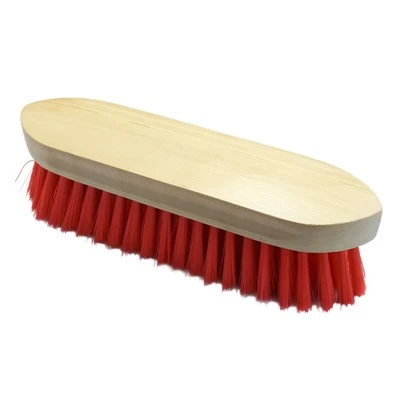
There are two primary types of handles on horse tail comb: wood and plastic.
The biggest difference between the two types of handles is that wood is usually more comfortable and provides better grip. The downside is that they may be difficult to clean if they get wet or dirty. Plastic, you can just wipe down. Wood you may damage by cleaning if it doesn't have the proper varnish.
Synthetic vs natural bristles
There are two types of bristles used on horse horse tail comb: synthetic and natural.Which one is better? That depends on your needs and preferences.Synthetic bristles are made from plastic or other man-made materials. They're cheaper than natural bristles, and they're also more durable.
Natural bristles are made from materials like horsehair, boar's hair, or plant fibers. They're softer than synthetic bristles and won't irritate the skin as much. They're also more of an eco-friendly option.
Size
The size of the brush is also something to consider. You want a brush that's comfortable for you to hold and that can reach all the areas you need to groom. If you have small hands, you may find some brushes clunky and difficult to maneuver.
Price
Price, of course, is another factor to consider. Horse brushes can range in price wildly. It all depends on the quality of the materials and the brand.
Some people believe that you get what you pay for when it comes to horse brushes. Others find that they can get just as good of a brush for a fraction of the price.
Separate pieces vs full kit
Another thing to keep in mind is whether you want to buy your brushes one by one, or buy a full grooming kit that includes brushes, curry combs, hoof picks, and more.
Sometimes, you can save money by buying a full kit if you need a variety of supplies. If you only need a couple of brushes to add to your collection, then you'll likely want to buy the pieces separately.
Your Horse's sensitivity
Every horse is different, so it's important to consider your horse's sensitivities when choosing brushes. If your horse has sensitive skin, you'll want to use softer bristles so you don't irritate them.
Time of year
Believe it or not, the time of year can also play a role in which horse brushes you choose. In the winter, your horse has more of a protective coat, so a soft brush may not be as effective. In the spring, when your horse is shedding their winter coat, you'll want to use a stiffer brush to help remove all the loose hair and then a soft brush to remove some of the dust.
Once you weigh the different factors and decide the types of brushes you need, you'll be able to purchase grooming brushes for horses with confidence!
Our Factory
Yangzhou Peiyu Tools Co.,Ltd was founded in 2014,We have advanced equipment, strong technical force, the production of the product type is complete, reasonable price, timely delivery, all of our products are exported to Europe and the United States, Russia, southeast Asia and other countries and regions.
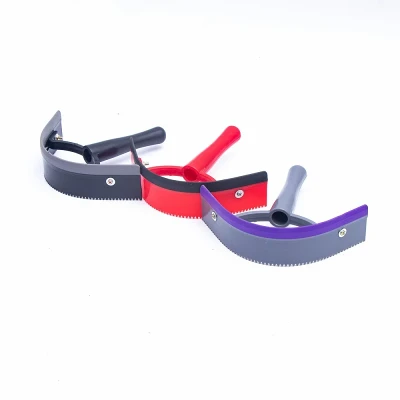
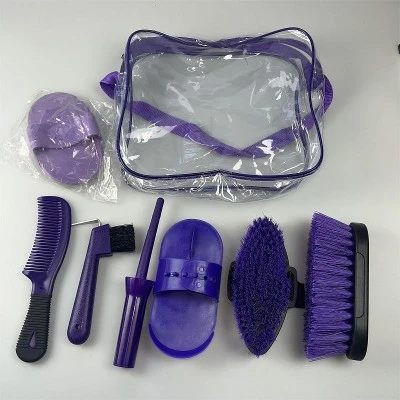
we are specialized in supplying and developing brushes for horse and other animals.Our leading merchandise includes:Horse brush,Horse grooming kit,Hoof pick,Sweat scraper,Bucket,Stall fork and so on.
We always improve our work to meet customers' different requirements.

Our Certificate

Asked Questions
Q: How long can you leave a tail wrap on a horse?
Q: How often do you brush a horse's tail?
Q: Why can't you cut a horse's tail hair?
Q: Can I leave a tail bandage on overnight?
Q: How tight should a tail bandage be?
Q: Why is my horse's tail always swishing?
Q: Can you leave a horses tail braided?
Q: Will a horse's tail grow back if cut?
Q: Should you brush a horse's tail?
Q: What is tail nicking in horses?
Q: Should you braid a horse's tail?
Q: What to do with dead horses tail?
Q: Why do cowboys braid their horses tails?
Q: Is it bad to braid a horse's mane?
Q: Why do people wrap a horses tail?
Q: What is a mane comb used for?
Q: What is a mane comb used for horses?
Q: What are the benefits of homemade combs?
Q: How do you thin a mane with thinning shears?
Q: How do you pull a thin mane?
We're professional mane and tail comb manufacturers and suppliers in China, specialized in providing high quality customized service. We warmly welcome you to wholesale high-grade mane and tail comb made in China here from our factory.
Horse Mane Comb, Horse Tail Comb, Mane Comb